Oil-immersed transformers are widely used in distribution and transmission networks due to their strong overload capacity, stable insulation performance, and effective heat dissipation.
However, once the equipment is installed outdoors, it must operate reliably under various weather conditions—heat, cold, humidity, dust, and even corrosive atmospheres.
Environmental conditions directly affect the transformer’s insulation system, cooling characteristics, and oil stability. Understanding these effects is essential for selecting and maintaining transformers in harsh climates.
At Varelen, we have accumulated long-term experience in designing and manufacturing oil-immersed transformers for complex environments, from desert heat to high-altitude cold regions. The following sections summarize how weather conditions influence transformer performance and how proper design ensures long-term reliability.
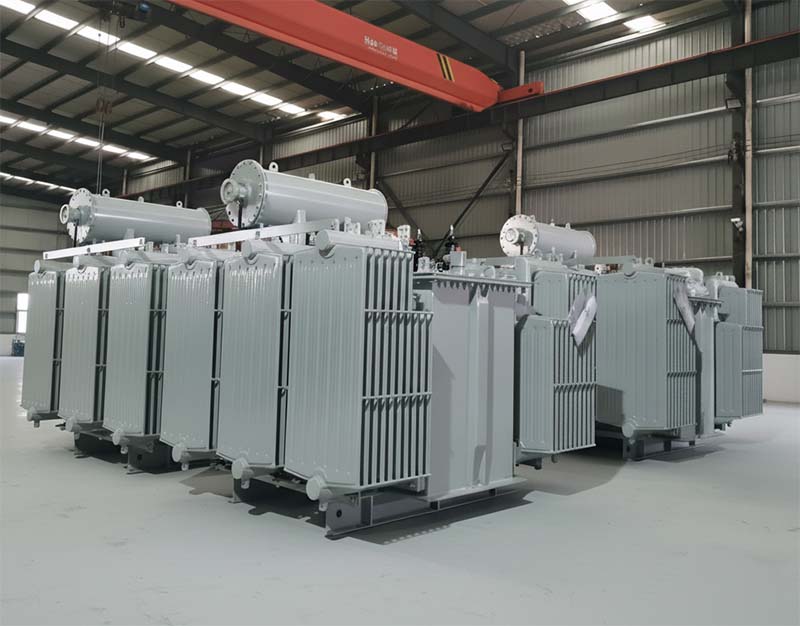
Ambient temperature is the most critical factor affecting transformer operation.
High-temperature environments (above 60°C):
Oil temperature rises rapidly, accelerating insulation aging and shortening service life. Thermal expansion may increase internal pressure and cause minor oil leaks.
Low-temperature environments (below -50°C):
Transformer oil becomes more viscous, reducing natural convection and cooling efficiency. At startup, temperature differences may cause mechanical stress between windings and the core.
Engineering measures:
Varelen designs oil-immersed transformers suitable for ambient ranges from -60°C to +60°C. Low-temperature-resistant insulating oil and flexible lead connections maintain safe operation during cold starts. For hot climates, radiators are optimized for improved heat dissipation and stable temperature rise.
Moisture is one of the main causes of insulation deterioration in oil-immersed transformers.
High humidity accelerates oil oxidation, reducing breakdown voltage. In unsealed systems, water vapor may enter through the breather or sealing joints. Over time, the cellulose insulation absorbs moisture, lowering dielectric strength and increasing the risk of partial discharge.
Engineering measures:
Use hermetically sealed tanks to eliminate air exchange with the atmosphere.
For conservator-type units, install silica gel breathers and regularly replace desiccant.
Periodic oil analysis (moisture, acid value, BDV) to monitor insulation condition.
In regions with high dust or sand content—such as mining areas or deserts—transformers face reduced cooling efficiency and higher surface leakage risk. Dust accumulation on bushings and radiators can increase local temperature rise and cause surface discharge under high humidity.
Engineering measures:
IP54–IP55 enclosures to resist dust ingress.
Smooth surface coatings to prevent dust adhesion.
Optional air filters for radiators and control cabinets.
Periodic cleaning to maintain heat transfer efficiency.
Outdoor transformers exposed to long-term rainfall or temporary flooding risk oil contamination and corrosion.
Rainwater entering through loose covers, cable glands, or rusted areas can reduce the oil’s dielectric strength.
Engineering measures:
Tanks are fully welded and pressure-tested to ensure airtightness.
Install transformers on elevated bases to prevent immersion during floods.
Apply anti-corrosion coatings suitable for tropical and coastal environments.
At high altitudes, air density decreases, reducing both heat dissipation and dielectric strength of the surrounding medium. This may cause partial discharge around bushings or higher winding temperatures.
Engineering measures:
Varelen applies derating in accordance with IEC 60076-2 and IEEE C57.12.00 standards.
By optimizing winding temperature rise and insulation clearances, our transformers can operate reliably up to 4500 m above sea level.
In coastal or industrial zones, air often contains salt, chemicals, or exhaust gases that corrode metal surfaces and cause coating deterioration. Over time, this can lead to oil leakage or grounding faults.
Engineering measures:
Use marine-grade paint systems with more than 1000-hour salt spray resistance.
Replace exposed steel hardware with stainless or galvanized materials.
Seal all cable entries and junction boxes against corrosive vapors.
Transformers operating in open areas are vulnerable to lightning and switching surges. Without proper protection, these impulses can damage windings and bushings.
Engineering measures:
Design with adequate Basic Impulse Level (BIL) margins.
Coordinate with external surge arresters and grounding systems.
For high-risk areas, Varelen offers optional shielded bushings and internal surge protection devices.
Weather and environmental conditions directly influence the performance and longevity of oil-immersed transformers.
High temperature accelerates insulation aging, cold reduces oil flow, humidity weakens dielectric strength, and corrosion shortens mechanical life.
Through optimized design, proper materials, and strict manufacturing control, Varelen provides oil-immersed transformers that maintain stable operation across extreme conditions—from polar stations to tropical coastlines and high-altitude mining sites.
Reliable performance begins with understanding the environment. Varelen engineers design each transformer not only to meet standards but to exceed them under real-world conditions.