AI and Cu are the two most commonly used materials for conductors in transformers,there has always been comparisons made. Cu has been the preferred metal, when it comes to windings in distribution transformers. As a conductor of electricity, Copper is an essential component in a wide range of electrical equipment and systems. Its high electrical conductivity and low resistance make it ideal for applications.
Advantages of Copper Windings
Advantages of AI Windings
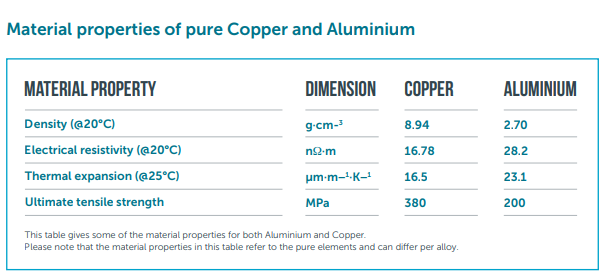
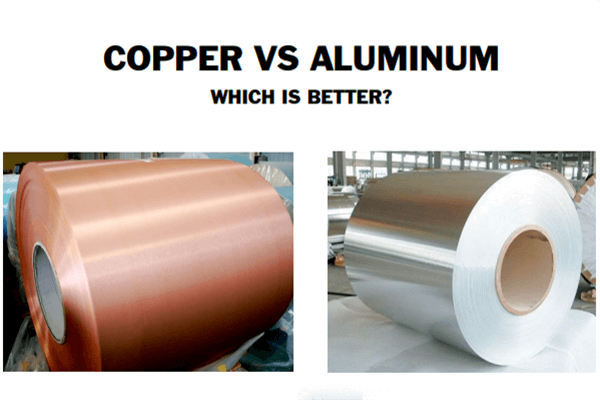
Copper vs. aluminum conductor
There is a common misconception that a distribution transformer with copper windings is in some way more efficient, more reliable, or has higher short-circuit strength when compared to a transformer with aluminum windings.
Recommendation
Improvements in technology regarding the use of aluminum in transformers have made aluminum-wound transformers the ideal choice for today’s applications.
Rationale
Operating cost
Varelen designs distribution Power transformer series aluminum-wound transformers with windings of a larger cross-sectional area than would be used for a copper wound unit. This larger cross-sectional area translates to a lower current density and an equivalent operating temperature. By reducing the
current density in the windings, a low-loss design can be achieved with aluminum orcopper windings.
Reliability
A transformer’s life is defined by the life of its insulation system. Because aluminum wound and copper-wound units run at equivalent operating temperatures, the insulation systems age at the same rate for each design.
Lower first cost
Whether operating efficiency is a goal or not, aluminum windings are less expensive than copper
windings. The following example shows two equivalent loss designs, one with aluminum windings and one with copper windings.
What factors should I consider when choosing between copper and aluminum conductors for my project?
Consider electrical conductivity, cost, weight, corrosion resistance, thermal conductivity, and environmental impact when making your decision.