


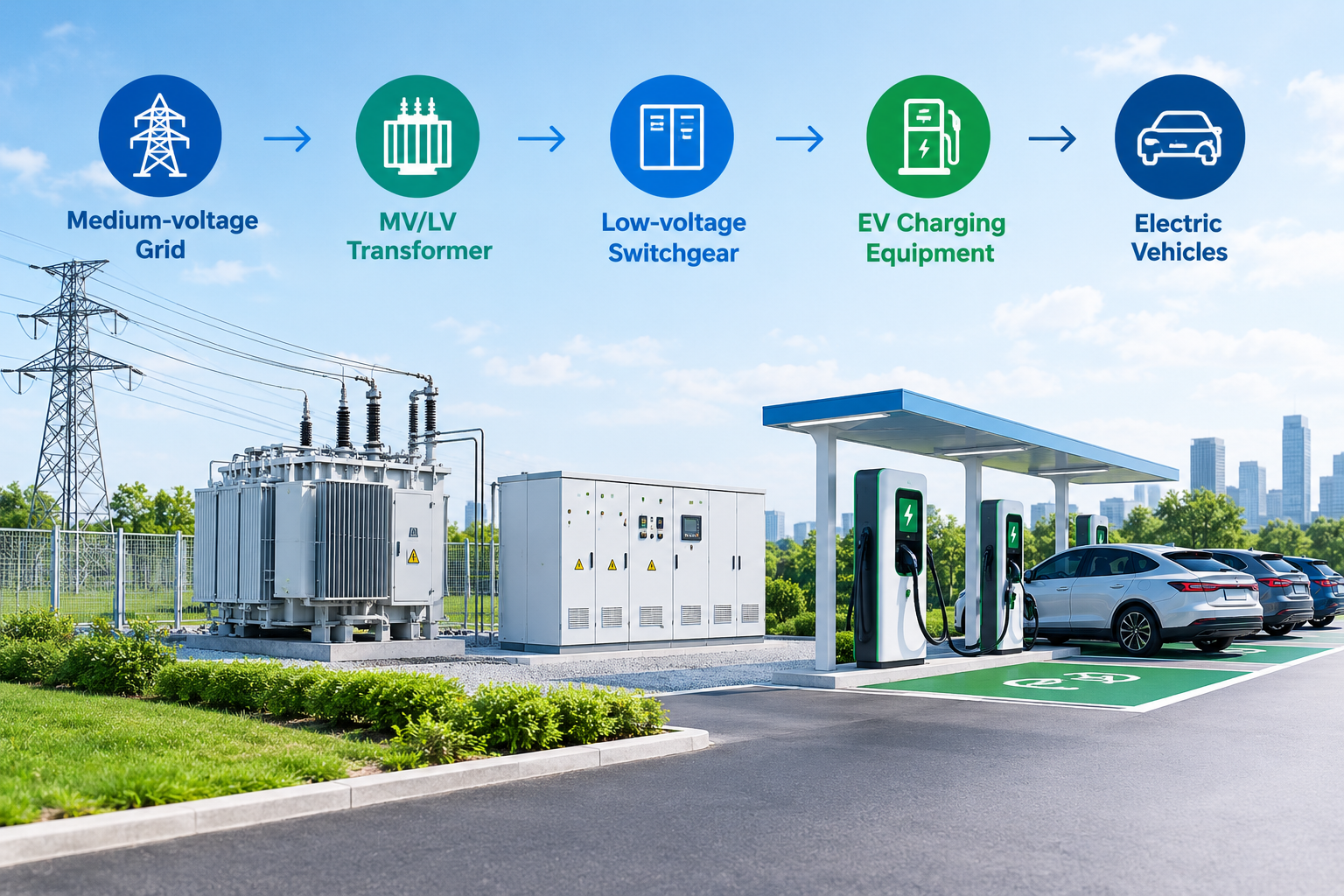
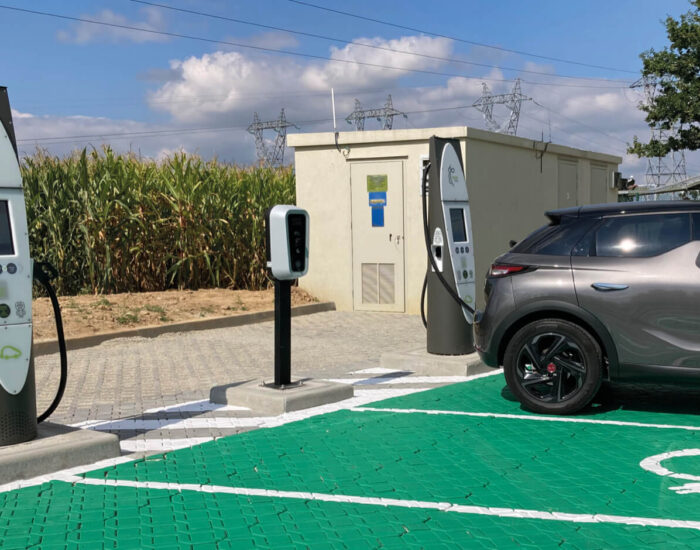
In order to effectively support electric mobility, the dry-type transformer is set to become the recommended power supply choice for electric vehicle charging stations.
The market for charging stations is indeed booming and the global market is pushing to accelerate the energy transition and deploy more charging stations across the country.
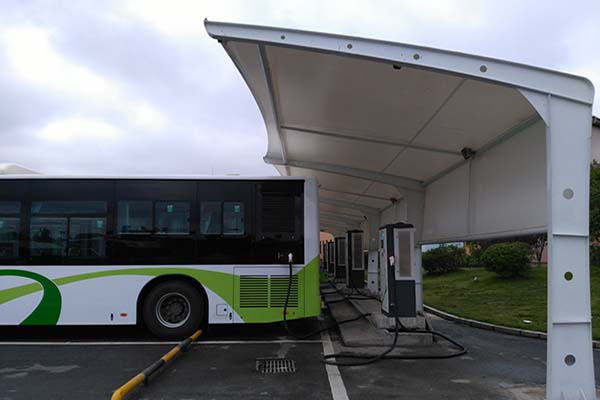
Remember, a charging station site is associated with a distribution substation that integrates a MV/LV transformer.
Consequently, current and future construction projects generate and will continue to generate an increased demand for transformers given that availability is currently a constraint and the oil transformer is experiencing frequent supply shortages.
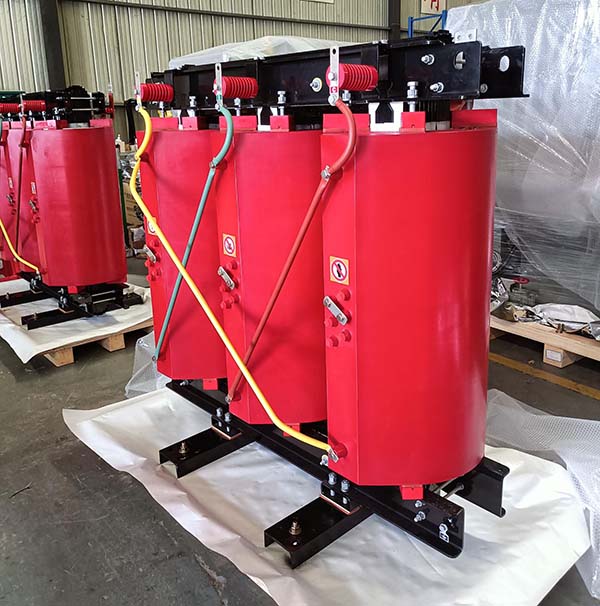
The perfect alternative of the dry-type transformer
However, even if the dry-type transformer were to have the advantage of being readily available on the market, it offers other benefits:
-Highly moisture-resistant
-Optimised electrical characteristics
- Better short circuit rating
- Absence of partial discharges <5pC
-Low maintenance
- No analyses
- No maintenance for corrosion or other reasons
- No dielectric ageing (no partial discharges)
- A light dusting every 2 years is sufficient.
-No fire risk
- Class F1 – Self-extinguishing, no flame spread or smoke development.
-Eco-friendly
- The coated dry-type transformer can be treated as household waste, whereas the oil-filled transformer (petroleum-based) will require end-of-life treatment.
- Less material means less carbon impact in production.
-Security status
- Strategic sites are equipped with dry-type transformers (nuclear power plant, tunnels, metro, tramway, space station and many other sectors of activity).
We can attest that our equipment is very competitive on the market. Our key production skills enable us to minimise costs and shorten lead times. We currently offer a 6-week production lead time for dry-type transformers
High Efficiency and Optimized Energy Performance
Low-loss transformer cores, optimized winding designs, and properly selected electrical components help reduce conversion losses and operating costs. Accurate load calculations also help prevent transformer oversizing and improve overall system efficiency.
Flexible Load Management and Scalability
Charging demand can fluctuate significantly throughout the day. A properly engineered power distribution system can accommodate dynamic load management, multiple charging stations, and future capacity expansion. Modular system design also simplifies maintenance and upgrades.
FAQ
Q1 : How soon can you delivery the transformer?
A: It depends on the quantity and capacity of the transformer, normally within one month since the date drawing confirmed by buyer.
Q2: How long can you provide the quality warranty?
A: 24 months since the date transformer operated.