oil immersed Traction transformer is the key power supply and transformation equipment of electrified railway, and its running state directly affects the stable operation of traction power supply system. With the increasing mileage of electrified railway, the health management of traction power supply system has been paid more and more attention.
Varelen customized and design 9MVA railway traction transformer, Single phase 6 windings output converter transformers, conservator type power transformers Environmentally Friendly Dielectric Liquid FR3
Environmental condition:
Altitude: 1000m
Temperature: +50℃~ -45℃
Transformers designed for you
Oil-immersed traction transformers are critical components used in electric railways, specifically for supplying power to trains.
Railway traction autotransformer is applied to the electrified railway at power supply mode, and has good anti-interference performance. It can eliminate or weaken the interference caused by the electrical interference source.
The working principle of railway traction transformers
Railway traction transformers are important power equipment in railway traction electrical systems, mainly used to convert input voltage to the voltage level required by the traction converter system.
In systems that adopt multi-winding rectification schemes, the transformer supplies electrical energy to the rectification unit through different secondary windings. The voltage and phase relationship between different windings is designed based on the rectifier topology to meet the requirements of DC output, harmonic control and load operation.
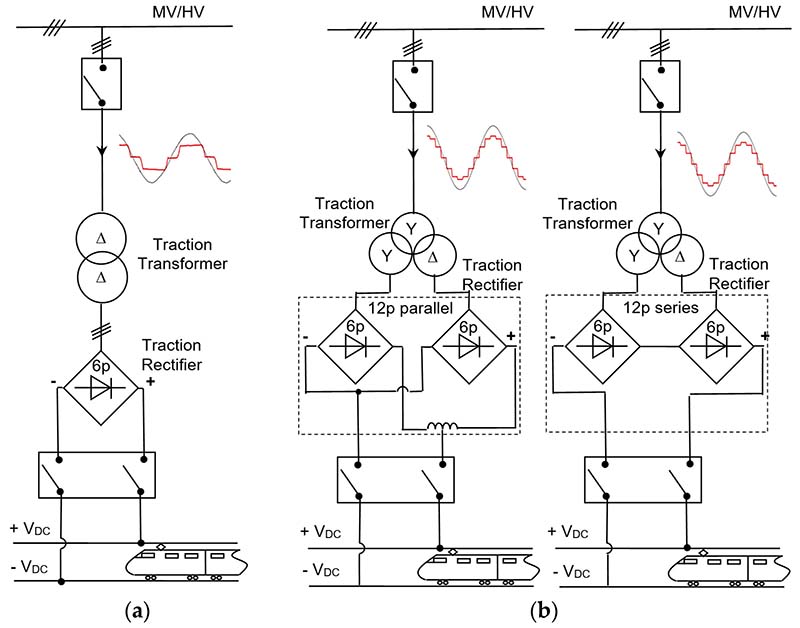
Why choose Varelen railway traction transformers?
Varelen specializes in the design and manufacture of special transformers and industrial power equipment, and can provide customized transformer solutions based on the technical requirements of different railway and industrial electrical projects.
Frequency Asking Questions
Q1. What is a railway traction transformer?
Railway traction transformer is a power transformer designed to supply electricity to railway electrification systems. It converts utility grid voltage into the voltage required by railway overhead catenary systems or third-rail systems while providing reliable and stable power for trains.
Yes.
They are designed to accommodate temporary overloads caused by train acceleration and peak traffic periods. However, overload limits should comply with IEC or utility operating guidelines to prevent insulation aging.